How to Automate Your Electric Loader Workflow in 2026 for Maximum Efficiency
Understanding Electric Loaders: An Overview
Electric loaders are revolutionizing the material handling landscape by providing efficient, eco-friendly solutions for various industries. These machines are designed to offer a combination of power and versatility, making them essential for modern warehouses, construction sites, and agricultural operations. With advancements in technology, electric loaders are now more efficient and reliable than ever before, contributing to smoother operations across sectors. If you’re considering adopting an electric loader for your business, understanding their features and advantages is crucial.
What is an Electric Loader?
An electric loader is a type of material handling equipment used primarily for lifting and moving heavy loads within varied environments. Unlike traditional loaders that rely on diesel or gasoline engines, electric loaders operate on battery power, making them more eco-friendly and cost-effective in the long run. These machines are equipped with advanced electric motors that provide consistent torque and power, allowing operators to handle loads efficiently.
Key Features of Electric Loaders
- Zero Emissions: Electric loaders produce no direct emissions, making them suitable for indoor use and reducing overall environmental impact.
- Reduced Noise Levels: They operate quietly compared to their combustion engine counterparts, promoting a safer and more comfortable working environment.
- Lower Operating Costs: Electric loaders typically require less maintenance and lower energy costs, contributing to reduced operational expenses.
- Advanced Technology: Many electric loaders come equipped with smart technology features such as load weight sensors, lift height indicators, and battery management systems for improved efficiency.
- Versatile Design: They are available in various sizes and configurations, making them adaptable for different applications, from warehouses to agricultural sites.
Advantages Over Traditional Loaders
Switching from traditional loaders to electric options can bring significant benefits, including:
- Environmental Sustainability: Electric loaders support green initiatives by reducing carbon footprints and promoting cleaner air.
- Enhanced Performance: These loaders can maintain higher levels of productivity with less downtime, thanks to rapid charging capabilities and efficient energy use.
- Safety and Compliance: Businesses utilizing electric loaders often find it easier to comply with safety and environmental regulations, enhancing their operational integrity.
- Operational Flexibility: Electric loaders are often more maneuverable in tight spaces, making them ideal for indoor and outdoor applications.
Choosing the Right Electric Loader for Your Business
Selecting the proper electric loader for your specific application is essential for maximizing efficiency and performance. Whether you’re looking for a powerful telescopic loader for construction tasks or a compact model for narrow aisles, understanding your requirements can guide your decision-making process.
Factors to Consider When Selecting an Electric Loader
- Load Capacity: Assess the maximum weight you need to lift and ensure the loader can accommodate your requirements.
- Lift Height: Different applications may necessitate varying lift heights, so choose a model that meets your needs.
- Battery Life: Consider how long the loader can operate on a single charge and the ease of recharging to minimize downtime.
- Terrain Type: Some electric loaders are designed for rougher terrains, while others are best suited for smooth, indoor surfaces.
- Maintenance Requirements: Evaluate the maintenance needs and costs associated with the loader model you choose.
Top Electric Loader Models in 2026
As the industry evolves, several electric loader models stand out for their performance, reliability, and features:
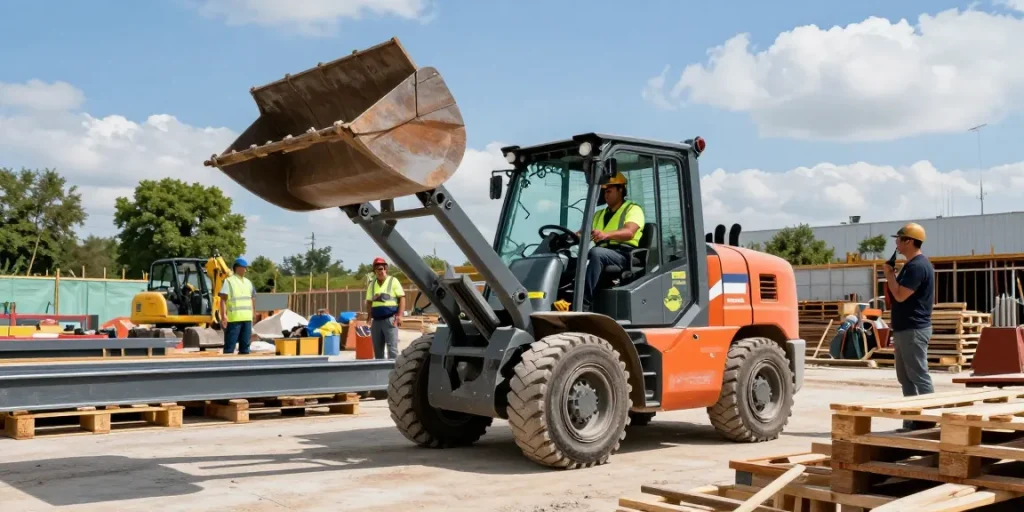
- US-TXLT132PRO: This electric telescopic wheel loader boasts extended reach and a robust lifting capacity, perfect for construction and agriculture.
- Counterbalance Electric Stacker: Designed for heavy-duty lifting, this model eliminates the need for support legs, providing stability and ease of use.
- Compact Electric Forklift: Ideal for warehouses with tight spaces, offering maneuverability and efficiency while handling loads up to 3,300 lbs.
- Electric Scissor Lift: With a lift height of 18ft and a capacity of 440 lbs, this model is perfect for working at heights safely and efficiently.
Real-World Applications and Case Studies
Several businesses have successfully integrated electric loaders into their operations, witnessing significant improvements in efficiency and cost savings. For instance, a construction firm utilizing the US-TXLT132PRO electric loader for site preparation reported a 30% reduction in fuel costs and enhanced productivity due to its zero-emission operation. Similarly, a distribution center that adopted a fleet of electric stackers found that they could operate longer hours with reduced noise and improved safety, leading to a more pleasant work environment.
Integrating Electric Loaders into Your Operations
Once you’ve selected the appropriate electric loader, the next step is to effectively integrate it into your operational workflow. This process may involve assessing current workflows and adjusting them to maximize the potential benefits of your new equipment.
Best Practices for Electric Loader Usage
- Conduct Regular Training: Ensure that all operators are trained on how to use the loader effectively and safely to minimize accidents and maximize productivity.
- Implement Routine Maintenance: Schedule regular inspections and maintenance to ensure the loader remains in optimal working condition.
- Utilize Smart Technology: Take advantage of any integrated technology features to optimize performance and track operational efficiency.
Automation and Electric Loader Technology
Automation is a growing trend within the material handling industry, and electric loaders are no exception. Many modern models come equipped with advanced technology that enhances automation through features such as:
- Autonomous Navigation: Some electric loaders can navigate workspaces automatically, reducing the need for operator supervision.
- Load Management Systems: These systems help operators manage load distribution effectively, improving safety and efficiency.
- Energy Management Systems: Integrated systems monitor energy consumption and optimize battery life during operations, prolonging equipment uptime.
Training Your Team for Optimal Performance
To ensure your investment in electric loaders pays off, it is crucial to invest in comprehensive training programs for your staff. Training should cover:
- Safe operation procedures
- Maintenance practices
- Utilization of integrated technologies and automation features
- Emergency protocols in case of equipment malfunction
Maintenance and Support for Electric Loaders
Effective maintenance practices are vital to keeping your electric loader running smoothly and extending its lifespan. Understanding the common issues and how to address them can save your business time and money.
Regular Maintenance Checklist
- Battery Inspection: Regularly check battery connections and fluid levels to ensure optimal performance.
- Tire Condition: Inspect tires for wear and proper inflation to maintain maneuverability and stability.
- Operational Checks: Test brakes, steering, and other operational components frequently to catch issues before they escalate.
Common Issues and Troubleshooting
Common issues with electric loaders may include battery performance problems, hydraulic failures, or electrical system malfunctions. Training staff in basic troubleshooting can help mitigate downtime:
- For battery issues, check connections and recharge levels regularly.
- Hydraulic problems often require professional service; however, operators can monitor fluid levels periodically.
- Electrical system faults may call for immediate attention from qualified technicians.
Warranty and Customer Support Considerations
When purchasing an electric loader, consider the warranty and the support options provided by the manufacturer. A robust warranty reflects the manufacturer’s confidence in their product and provides peace of mind, knowing you have support in case of issues.
Future Trends in Electric Loaders
As we look towards 2026 and beyond, the electric loader market is expected to continue evolving with technological advancements and a growing emphasis on sustainability.
Innovations in Electric Loader Technology
Emerging trends include:
- Enhanced Battery Technology: Improved battery designs are set to increase range and longevity, making electric loaders more appealing.
- Integration with AI and IoT: Integrating artificial intelligence and Internet of Things (IoT) capabilities will allow for better predictive maintenance and operational efficiencies.
Environmental Impact and Sustainability Efforts
The push for sustainability will continue to shape the electric loader industry as companies strive to reduce their carbon footprints. This will likely lead to increased investment in R&D for greener technologies and practices.
Predictions for the Electric Forklift Industry in 2026
Market analysts predict a significant increase in electric loader adoption as more industries recognize the long-term cost savings and operational efficiencies. Additionally, regulatory changes favoring environmentally friendly technologies will further accelerate this trend.
What are the Benefits of Electric Loaders?
Electric loaders provide numerous benefits, including reduced emissions, lower operating costs, and enhanced workplace safety. These factors contribute to a more sustainable and efficient operational model for businesses across sectors.
How to Maintain Your Electric Loader Efficiently?
Efficient maintenance practices include regular inspections, proper training for operators, and adhering to manufacturer guidelines to extend the lifespan of your electric loader.
What to Look for in Electric Loader Training Programs?
Effective training programs should cover safety procedures, operational best practices, and maintenance protocols to ensure operators can handle electric loaders competently.
How do Electric Loaders Compare to Traditional Models?
Compared to traditional loaders, electric loaders offer advantages such as zero-emission operation, reduced noise levels, and lower maintenance costs, making them an increasingly popular choice for modern workplaces.
What are the Latest Innovations in Electric Loader Technology?
Key innovations include advanced battery designs, automation capabilities, and IoT integration to enhance performance and efficiency in material handling tasks.