Understanding the Current Culinary Trends Impacting Food Businesses
The food business landscape is evolving rapidly, driven by changing consumer preferences, technological advancements, and the influence of social media. As we look forward to 2026, understanding these trends is crucial for anyone looking to innovate or start a culinary venture. Trends not only impact what consumers want to eat but also how they want to experience dining. For entrepreneurs, being attuned to these changes can present significant opportunities. When exploring options, rokok88 slot provides comprehensive insights into these evolving trends.
What Are the Latest Trends in the Food Industry?
In 2026, several key trends are shaping the culinary world:
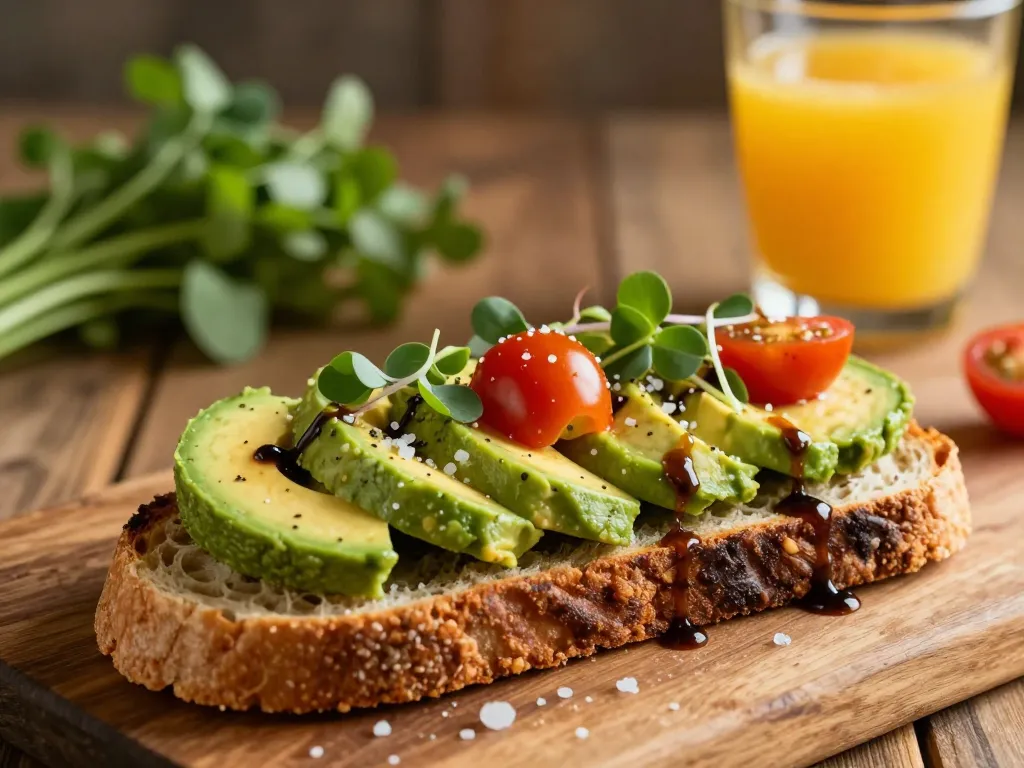
- Plant-Based Foods: The rise of plant-based diets continues to gain traction, with consumers increasingly seeking out vegan and vegetarian options.
- Health-Conscious Choices: There’s a growing awareness of nutrition and health, prompting many to opt for organic, gluten-free, and low-sugar products.
- Experiential Dining: People crave experiences over traditional dining; pop-up restaurants, chef’s tables, and themed dining events are becoming popular.
- Sustainable Practices: Eco-friendly packaging and locally sourced ingredients are now expected rather than optional.
How Social Media Shapes Culinary Trends
Social media platforms play a pivotal role in dictating food trends. Instagram and TikTok, in particular, influence what goes viral within the culinary space. Influencers and food bloggers showcase unique dishes that capture attention globally, often making specific cuisines trendy overnight. Restaurants and food brands that adapt to these platforms, providing visually appealing content, are more likely to attract customers.
Understanding Consumer Preferences for 2026
As consumer preferences continue to evolve, it’s essential for food businesses to stay ahead of the curve. Millennials and Gen Z are particularly influential, prioritizing transparency, ethical sourcing, and sustainability. Furthermore, the convenience of delivery and takeout options is now a major factor that consumers consider when choosing where to dine.
Identifying Profitable Business Opportunities in Food
With the culinary landscape constantly changing, there are numerous profitable avenues for aspiring entrepreneurs to explore in 2026.
Exploring Niche Markets: What's Hot in 2026?
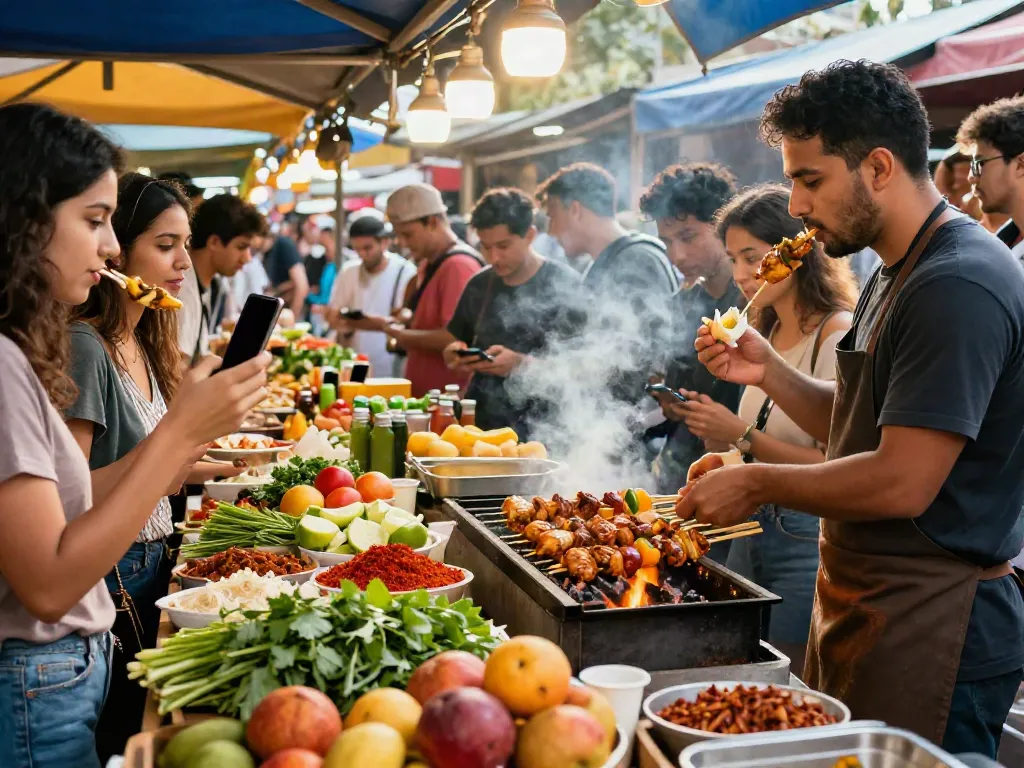
Niche markets present golden opportunities for growth and innovation. For example, the popularity of ethnic cuisines continues to rise, inviting opportunities for specialized restaurants and food trucks that offer authentic dishes from various cultures. Gourmet street food also remains a hot trend, appealing to consumers looking for casual yet high-quality dining options.
Online vs. Physical Presence: Best Strategies
In the age of technology, businesses must evaluate their presence carefully. A robust online presence, including e-commerce capabilities, can significantly expand reach and accessibility. However, physical locations still play a crucial role in creating community connections and brand loyalty. Striking a balance between online and offline strategies can help brands maximize their visibility and customer engagement.
Leveraging Seasonal Trends for Maximum Profit
Seasonal trends such as holiday-themed menus or summer-refreshing beverages can drive significant sales. Utilizing local, in-season ingredients not only enhances flavor but also promotes sustainability. Successful businesses will capitalize on these seasonal changes, creating limited-time offerings that entice customers to return and try something new.
Marketing Strategies that Draw Attention to Your Food Business
Effective marketing is essential for standing out in a crowded food marketplace. Here are some strategies to captivate your audience:
Effective Social Media Marketing Techniques
Social media is a powerful tool for food businesses. Building a strong online community through engaging content, interactive stories, and customer engagement can build loyalty and attract new customers. Using targeted ads on platforms like Facebook and Instagram can also help reach specific demographics effectively.
Creating Irresistible Food Photography
Visual appeal is paramount in the food industry. High-quality food photography can entice customers and increase engagement on social media platforms. Consider hiring professional photographers or investing in good equipment to make your dishes look as appetizing as they taste.
Engaging with Customers Through Unique Experiences
Creating an immersive experience around your brand can foster lasting relationships with customers. Whether through cooking classes, tasting events, or virtual reality dining experiences, offering unique interactions can distinguish your business from competitors.
Best Practices for Starting Your Culinary Business
Starting a culinary business can be both exciting and challenging. Here are essential steps to ensure a successful launch:
Essential Steps to Launching a Food Business
Before diving into the business, conduct thorough market research to understand your target audience and competition. Develop a solid business plan that outlines your concept, marketing strategies, and financial projections. Finally, ensure you comply with local health regulations and obtain the necessary licenses to operate.
Common Pitfalls and How to Avoid Them
New entrepreneurs often make mistakes that can jeopardize their business. Some common pitfalls include underestimating costs, neglecting marketing, and failing to adapt to consumer feedback. Learning from the experiences of others and staying informed about industry changes can help navigate these challenges effectively.
Building a Strong Brand Identity in the Food Industry
Creating a memorable brand identity is vital for distinguishing your business. Your branding should reflect your values, mission, and the type of experience you offer. Consistent messaging across all platforms helps build recognition and trust with potential customers.
Future Predictions for Food Trends Beyond 2026
As we look beyond 2026, several emerging trends could reshape the food industry:
Emerging Technologies Influencing Food Production
Technologies such as artificial intelligence and automation in food production are expected to streamline operations and enhance efficiency. Additionally, advancements in lab-grown foods and alternative proteins could offer sustainable solutions to feed a growing global population.
How Sustainability is Shaping Future Culinary Trends
With climate change becoming an undeniable challenge, sustainability is increasingly influencing how food is produced and consumed. More businesses are expected to adopt environmentally-friendly practices, from sourcing ingredients to implementing waste reduction strategies.
The Role of Health Consciousness in Menu Development
As consumers become more health-conscious, they are seeking out nutritious options that align with their lifestyle choices. Businesses that prioritize health in their menu development and ingredient sourcing will likely resonate well with the modern consumer.
What are the key culinary trends for 2026?
Key trends for 2026 include the rise of plant-based foods, experiential dining, and increased consumer focus on health and sustainability.
How can I attract customers to my food business?
Attract customers by leveraging engaging social media campaigns, high-quality food photography, and unique dining experiences that resonate with your target audience.
What are the best practices for marketing food online?
Best practices for online marketing include creating visually appealing content, targeting demographic-based ads, and maintaining active engagement with your audience.
What common mistakes should new food entrepreneurs avoid?
Common mistakes include underestimating operating costs, neglecting marketing efforts, and failing to respond to consumer feedback promptly.
How can I stay updated on food industry trends?
Staying updated can involve subscribing to industry publications, attending food expos, and participating in relevant online communities to exchange insights and experiences.