
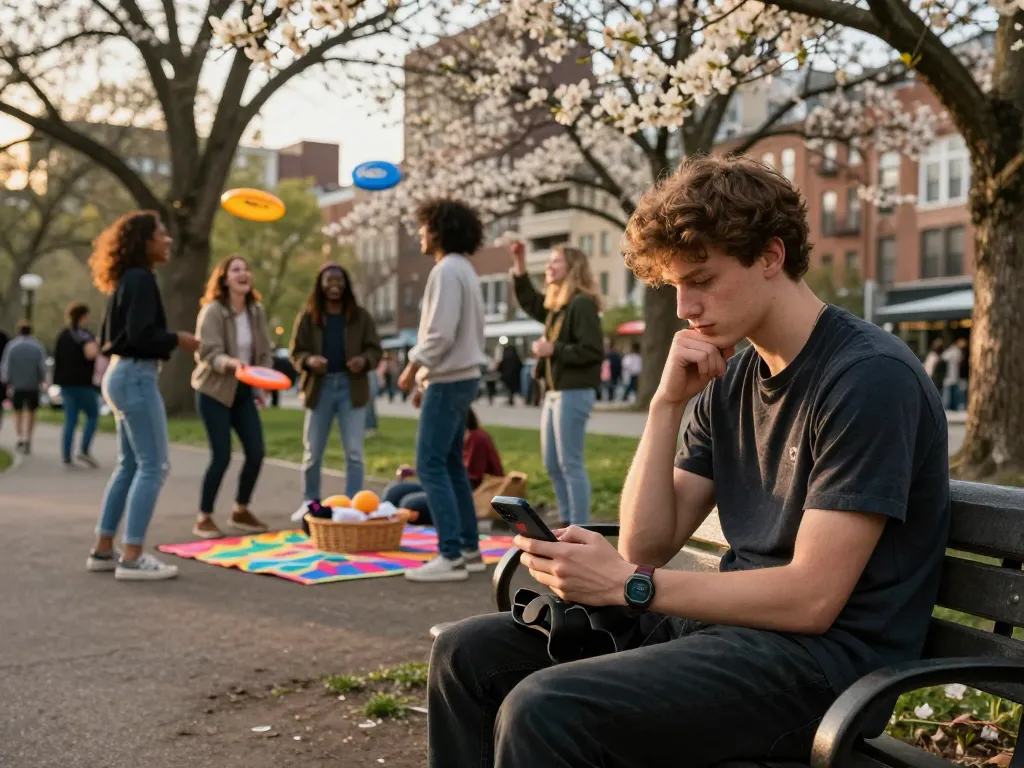
What Does It Mean to Have a Crush On Someone?
Having a crush is a universal experience that can leave even the most composed individuals feeling fluttery and awkward. But what exactly does it mean when you have a crush on someone? This phenomenon typically manifests as a strong, often fleeting feeling of infatuation—characterized by a mix of desire, admiration, and a healthy dose of nervousness. In psychological terms, a crush can be seen as an intense emotional attraction that may or may not lead to romantic developments. When exploring options, crush on someone can encompass various dimensions of emotional connections, from admiration of their personality traits to physical attraction.
Defining the Concept of a Crush
A crush is more than just a simple liking towards someone; it’s an array of complex feelings that often lead to daydreaming and fantasizing about possibilities. What distinguishes a crush from other forms of affection is its intense nature—crushes tend to be steeped in idealization, where the “crushee” may seem perfect in the eyes of the person experiencing the crush. This idealization can cloud judgment and lead to an almost euphoric state, making the emotions feel chaotic yet exciting.
The Psychology Behind Crushing On Someone
Crushes are deeply rooted in psychological processes. Neurotransmitters such as dopamine and serotonin flood the brain during these intense feelings, often leading to a heightened sense of happiness and energy. Interestingly, our brains can release these chemicals even when we merely think about the person we have a crush on. The association with attraction often combines physical appeal with factors like proximity and familiarity, influencing why we develop crushes on certain individuals rather than others.
Crushes Across Different Age Groups
Crushes can occur at any age, but they express themselves differently as we grow. For children and teens, crushes are often innocent, revolving around feelings of admiration without the complexities of adult relationships. In contrast, adults may navigate more intense crushes that can lead to romantic pursuits or complicated emotional entanglements. Understanding how crushes evolve can help individuals appreciate their emotional landscapes at different life stages.
Identifying Signs You Have a Crush On Someone
Recognizing a crush can be tricky, especially when emotions run high. Identifiable signs often include physical responses like increased heart rate or butterflies in the stomach when near the person. Other indicators may include daydreaming about the individual, feeling nervous or shy around them, or being overly conscious about your appearance. These feelings manifest physically and emotionally, making it essential to reflect on your reactions when around this person.
Emotional and Physical Symptoms
The emotional landscape of having a crush can involve feeling exhilarated or anxious. Physical symptoms may include flushed cheeks, increased heart rate, or even sweating. Not everyone experiences these symptoms, but they are common among those who feel deeply attracted to someone.
Behavior Changes When You Have a Crush
Behavioral changes often accompany crushes, such as prioritizing the person’s presence in social settings or engaging in activities you think they might enjoy. You might find yourself seeking ways to connect, like initiating conversations or finding excuses to spend time together. These behaviors often reflect the desire to get closer and establish a deeper connection.
Misconceptions About Having a Crush
Many misconceptions surround the notion of having a crush. One common belief is that crushes must lead to romantic relationships. However, not every crush is meant to evolve; some simply serve as emotional experiences that teach us about ourselves and our desires. Additionally, societal pressure can sometimes make people feel guilty about having crushes, especially when the feelings may not be reciprocated.
Handling Crushes: Dos and Don’ts
Navigating crushes can be challenging, especially when feelings are intense. Adopting a practical approach can help alleviate the stress that often accompanies these situations. Here are some dos and don’ts to consider when handling crushes.
Do: Express Your Feelings Appropriately
When you feel ready, expressing your feelings can be liberating. It’s essential to choose appropriate moments to communicate your emotions, whether through direct conversation or subtle hints. Many people feel empowered by taking the leap, while others find solace in simply acknowledging their feelings without the need for reciprocation.
Don’t: Let Jealousy Consume You
Jealousy can be a natural reaction in the throes of a crush, especially when you see the object of your affection interacting with others. However, allowing jealousy to dominate your thoughts can lead to unnecessary heartache and even hinder potential connections. Focus on nurturing your self-esteem and recognize that your worth isn’t defined by another person’s attention.
Best Practices for Navigating Crush Situations
To manage your emotions effectively, consider these best practices:
- Engage in self-reflection to understand your feelings better.
- Maintain a balanced perspective by recognizing the idealization of your crush.
- Avoid excessive overthinking; sometimes, feelings fade naturally.
- Be open to the possibility of friendships as well as romantic relationships.
The Impact of Social Media on Modern Crushes
In today’s digital age, social media plays a significant role in shaping how we experience crushes. Platforms like Instagram, Facebook, and TikTok enable us to connect with potential crushes and perceive their lives in ways that can amplify infatuation.
How Online Platforms Influence Feelings
Social media often heightens feelings of attraction by allowing individuals to curate idealized versions of themselves. This can create unrealistic expectations and intense emotions, as you might find yourself drawn to the highlights of someone’s life without knowing the full picture. Additionally, social media interactions can lead to misunderstandings and assumptions about feelings that may not exist.
Interpreting Digital Interactions
When navigating crushes in the digital realm, interpreting interactions can be more complex. A simple ‘like’ or comment can evoke a whirlwind of emotions, leading us to misconstrue intentions. Understanding that online presence does not always equate to genuine feelings is vital to maintaining a healthy perspective.
Managing Expectations in the Age of Dating Apps
Dating apps offer an entirely new landscape for crushes, where the swipe culture can lead to quick connections, but also quick disappointments. Managing your expectations is crucial; not every match will translate to real-life chemistry or emotional connection. Being clear about what you seek can help you navigate interactions more effectively.
Future Trends in Romantic Feelings by 2026
As we approach 2026, the landscape of romantic feelings—including crushes—will likely evolve with technological advancements and changing social norms. Understanding these trends can better prepare individuals for future romantic encounters.
Technological Advances Shaping Relationships
Emerging technologies, such as virtual reality and advanced artificial intelligence, are expected to influence how we form connections. Tools that simulate real-life interactions may become common in fostering initial attractions, potentially shifting how crushes develop.
Changing Social Norms Around Crushes
As cultural attitudes toward relationships continue to evolve, so too will our understanding of crushes. Increasing acceptance of diverse relationship structures may lead to a broader definition of what it means to have a crush, moving beyond traditional monogamous frameworks.
Expert Insights on Navigating Love in the Digital Age
Experts predict that emotional intelligence will become a crucial skill in navigating romantic feelings. Being able to communicate effectively and understand one’s emotions will likely lead to healthier emotional interactions, especially in the context of crushes.
What Happens If Your Crush Doesn’t Feel the Same?
Unreciprocated feelings are challenging, but they are also a natural part of the experience. Recognizing that not all crushes will lead to mutual attraction can alleviate some of the emotional burden. Perspective is key; understanding that a crush is an opportunity for personal growth can help transform disappointment into resilience.
Tips for Moving On Gracefully
If you find yourself in a position where your crush doesn’t feel the same way, here are some practical tips for moving on:
- Limit contact to allow for emotional healing.
- Focus on self-improvement and personal goals.
- Seek support from friends or family to process your feelings.
- Engage in activities that bring you happiness and fulfillment.
Common FAQs About Crushes
As a final note, many people have questions about crushes, ranging from their origins to how to handle them. The key takeaway is that crushes are a normal part of human experience, serving as opportunities for connection, self-discovery, and emotional growth.
