
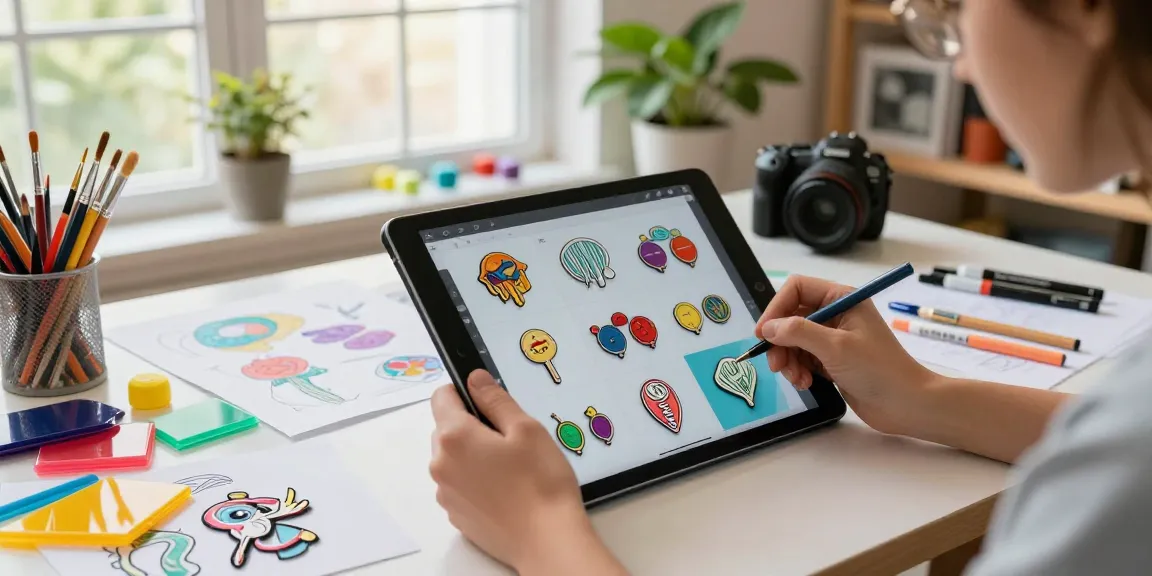
Understanding Custom Pins: Types and Materials
Custom pins have emerged as a versatile and creative means for individuals and organizations to express identity and commemorate significant events. Whether you’re designing lapel pins for a corporate event, enamel pins for a charity fundraiser, or decorative pins for personal collections, the options are nearly endless. In recent years, the popularity of custom pins has surged across various demographics, making them one of today’s most sought-after personalized accessories.
What Are Custom Pins?
Custom pins are small decorative items made from various materials, allowing for intricate designs that can represent brands, causes, or personal interests. Often seen on clothing, backpacks, or hats, these pins serve not only as fashion statements but also as powerful marketing tools. They can be customized in diverse shapes, sizes, and finishes, making them suitable for a wide array of purposes—from promotional giveaways to personal collections.
Different Types of Custom Pins: Enamel, Acrylic, and More
The landscape of custom pins is rich with options. The most common types include:
- Enamel Pins: Known for their vibrant colors and polished finishes, enamel pins can be categorized into soft and hard enamel. Soft enamel pins have a textured feel, while hard enamel pins offer a smooth finish.
- Acrylic Pins: These pins are lightweight and often come in unique shapes. They can feature intricate designs and are less expensive to produce.
- Button Pins: Ideal for quick promotions or events, button pins are typically made from metal and have a classic pin-back closure.
- Metal Pins: These are sturdy pins often used for awards, military insignia, or commemorative purposes, offering a sense of prestige and quality.
Choosing the Right Material for Your Custom Pins
Selecting the right material is crucial for achieving the desired look and durability of your custom pins. Factors to consider include the intended use, cost, and aesthetic preference. For example, if you’re looking for something cost-effective for a large event, acrylic or button pins might be the best options. In contrast, if you’re creating a limited-edition item aimed at collectors, hard enamel pins would provide a premium feel.
Designing Unique Custom Pins: Best Practices
The design process is where creativity shines. Good design can elevate a simple pin into a cherished item. It is essential to keep several key elements in mind when venturing into custom pin creation.
Key Elements to Consider in Custom Pin Design
- Color Scheme: Choose colors that align with your branding or theme. Consider how different hues evoke emotions and represent your message.
- Font and Typography: If your pin includes text, select fonts that are legible at small sizes. Bold typography tends to stand out better.
- Shapes and Sizes: Unique shapes can make your pin memorable. Avoid creating overly complicated designs that may lose clarity when scaled down.
Popular Design Trends for 2026
As we look towards 2026, several design trends are emerging within the custom pins industry:
- Minimalism: Simple, clean lines and minimal text are becoming increasingly popular, appealing to a broad audience.
- Eco-friendly Materials: With a rising interest in sustainability, using recycled materials for custom pins is gaining traction.
- Interactive Pins: Augmented reality features embedded in pins could change how consumers interact with your designs, adding a layer of engagement.
Incorporating Brand Identity into Custom Pins
When designing custom pins, it’s vital to incorporate elements of your brand identity. This can be achieved through consistent use of color, logos, and themes that reflect your brand’s values. Ensuring that your pins resonate with your audience will elevate their effectiveness as promotional tools.
Production Process: From Concept to Creation
Bringing your custom pin idea to life involves several key steps. Understanding this production process will ensure a smooth transition from concept to final product.
Steps in the Custom Pin Creation Process
- Conceptualization: Begin with a strong concept. This typically includes sketches or digital mock-ups.
- Material Selection: Choose your materials wisely based on the design and end-use of the pins.
- Proofing: Before moving to production, request a proof to ensure everything aligns with your expectations.
- Production: The manufacturing process can take a few weeks, depending on the complexity of the design.
- Quality Control: Once produced, pins should be rigorously checked for quality assurance.
Choosing a Manufacturer: What to Look For
Selecting the right manufacturer for your custom pins is a significant step. Look for reputable companies with experience in custom merchandise. Check for reviews, request samples, and understand their quality control measures to ensure you receive a product that meets your standards.
Quality Control Measures for Custom Pins
Quality control is essential in the pin production process. Factors such as color accuracy, alignment, and material integrity should be evaluated thoroughly. A reliable manufacturer will have established quality control protocols to ensure high standards are maintained throughout production.
Marketing and Selling Custom Pins Effectively
Once you have your custom pins, the next step is effectively marketing and selling them. A well-defined strategy will help maximize your reach.
Target Audience and Market Trends for Custom Pins
Understanding your target audience is crucial for effective marketing. Are you targeting collectors, corporate clients, or event coordinators? Each group has distinct preferences and purchasing behaviors. Stay updated with market trends by utilizing demographic and sales data, enabling you to tailor your marketing strategies efficiently.
Effective Online Marketing Strategies for Custom Pins
Online marketing is vital for reaching a broader audience. Utilize social media platforms to showcase your designs, engage with followers, and run targeted ads that reach potential customers effectively. Collaborations with influencers in relevant niches can also expand your reach significantly.
Utilizing Social Media to Promote Your Custom Pins
Social media is a powerful tool in the realm of marketing custom pins. Platforms like Instagram and Pinterest allow you to visually share your products, while Facebook provides avenues for targeted ads. Creating engaging content that encourages user interaction can elevate your brand’s visibility and drive sales.
Future of Custom Pins: Trends and Innovations
The custom pin industry is continuously evolving, driven by innovations and consumer preferences. Staying informed about the latest trends can give you a competitive edge.
Emerging Technologies in Custom Pin Production
As technology advances, new methods of production are emerging. From 3D printing technologies that allow for complex designs to laser engraving for precision detailing, embracing these innovations can enhance the quality and creativity of your custom pins.
Predicted Trends for Custom Pins in 2026
Looking ahead, several trends are likely to shape the custom pin industry:
- Smart Pins: Incorporating technology for interactivity and connectivity could redefine uses for custom pins.
- Personalization: Custom pins that allow for individual customization may become increasingly popular as consumers seek unique expressions of identity.
- Flash Sales and Limited Editions: Creating excitement around exclusive pin releases can drive demand and consumer engagement.
Adapting to Market Changes in the Custom Pins Industry
Adapting to shifts in market demand is critical for success in the custom pins landscape. Regularly solicit feedback from customers to understand their preferences and adjust your offerings accordingly. This agility will help you remain relevant and appealing to your target audience.
What Are the Benefits of Custom Pins?
Custom pins offer various benefits, including:
- Strengthening brand identity
- Enhancing event experiences
- Serving as memorable giveaways
- Facilitating community and group bonding
How to Get Started with Custom Pins?
Getting started with custom pins requires a clear vision. Determine your purpose, design your pin, select a manufacturer, and then launch your marketing campaigns. Starting with a small batch can minimize financial risk while enabling you to test the market.
What Are the Popular Uses for Custom Pins?
Custom pins are often used for:
- Corporate branding at events
- Fundraising initiatives for non-profits
- Fashion accessories for individuals
- Recognition awards for employees and volunteers
Are Custom Pins Worth the Investment?
Buying custom pins is generally seen as a worthwhile investment due to their versatility and appeal. They often yield high returns, especially when used in marketing campaigns or as collectible items. Proper planning and execution can enhance their value significantly.
How Do I Care for My Custom Pins?
Caring for custom pins entails keeping them clean and stored correctly. For metal pins, avoid exposure to moisture to prevent tarnishing. For enamel and acrylic pins, use a soft cloth for cleaning and keep them out of direct sunlight to maintain color vibrancy.
