
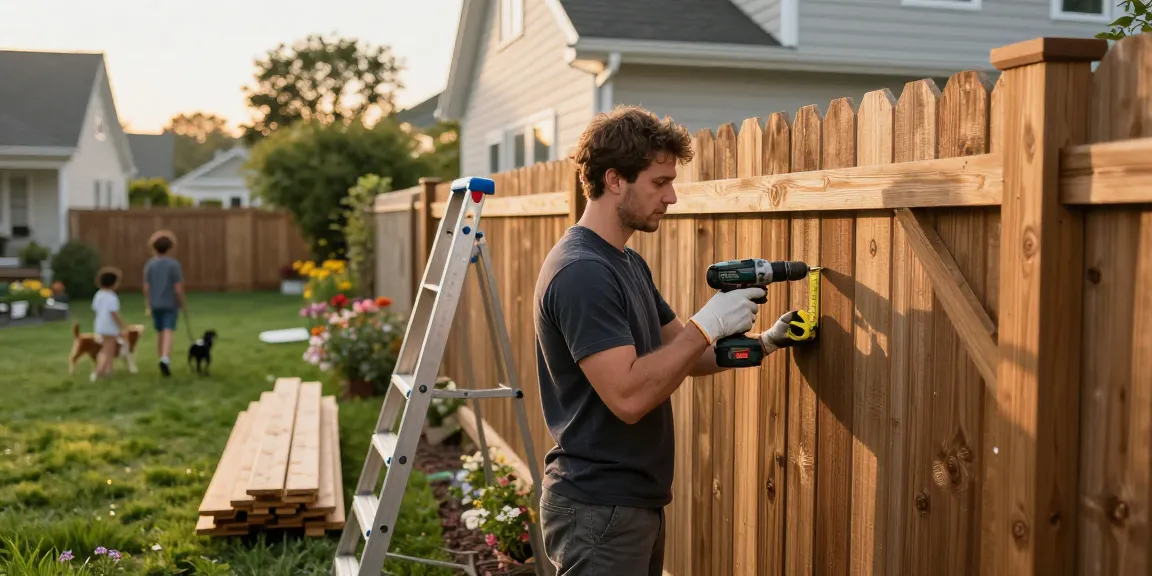
Understanding Fence Needs and Options
Fences are essential elements of any property, serving multiple purposes ranging from privacy and security to aesthetic appeal. As a homeowner or property manager, understanding your fencing needs and available options is crucial for enhancing your property’s value and functionality. Whether you’re considering fence installation or repair, knowing how to assess your current situation can lead to better decisions. If you want to ensure that your fencing needs are met, We fix fences and build fences offers the insights you need to tackle your projects effectively.
Assessing Your Fence Condition
The first step in addressing your fencing concerns is to assess your current fence condition. A thorough inspection should cover the following aspects:
- Physical Damage: Look for broken panels, leaning sections, or damaged posts that may compromise the integrity of the fence.
- Weathering: Consider the impact of weather conditions over time, which may cause warping, rust, or rot, especially in wooden fences.
- Stability: Ensure that the fence is firmly planted in the ground, as any instability can lead to further damage and unsafe conditions.
Types of Fences: Choosing the Best Fit
Choosing the right type of fence depends on various factors, including your budget, property lines, and intended use. Here are common types of fences:
- Wood Fences: Popular for their aesthetic appeal, wood fences require regular maintenance but provide a classic look.
- Vinyl Fences: These are low-maintenance and durable, making them an excellent choice for those wanting longevity.
- Chain Link Fences: Economical and functional, chain link fences are ideal for security without sacrificing visibility.
- Aluminum and Wrought Iron Fences: These materials offer strength and elegance, perfect for decorative security.
Materials and Their Benefits for Fencing
When selecting fence materials, consider their unique benefits:
- Wood: Provides natural insulation and can be painted or stained for customization.
- Vinyl: Resistant to fading and requires minimal upkeep, making it a practical choice for busy homeowners.
- Chain Link: Offers affordability and ease of installation, particularly for larger properties.
- Aluminum/Iron: Highly durable and resistant to rust, these materials can last a lifetime with minimal maintenance.
We Fix Fences: Common Repair Needs
Fences are subject to wear and tear, leading to common repairs that every homeowner should be aware of. Understanding these common repair needs is essential for maintaining the longevity of your fence.
Identifying Typical Fence Issues
Common issues that arise with fences include:
- Deterioration: Particularly in wood and vinyl, exposure to moisture and UV light can cause deterioration.
- Damage from Weather: Severe weather events can create issues like bent panels and uprooted posts.
- Pest Infestation: Wood fences are susceptible to termites and other pests that can compromise structural integrity.
Steps to Repairing Your Fence
Repairing your fence may involve several steps:
- Assess Damage: Identify the extent of the damage to determine whether it requires a simple fix or a more extensive repair.
- Gather Tools: Collect necessary tools such as hammers, nails, and replacement panels before starting your project.
- Execute Repairs: For minor damages, replace broken slats or repack loose posts. For larger issues, you may need professional assistance.
Cost Analysis: Repair vs. Replacement
Understanding when to repair or replace your fence is crucial for budgeting:
- Minor Repairs: Typical costs range from $150 to $300 for small repairs.
- Average Fence Repair: More significant repairs can cost between $500 and $900.
- Replacement Costs: If the fence is extensively damaged, costs can escalate to $1,000 or more depending on the material and size.
Building Fences: Best Practices for Installation
Proper installation of a fence is critical to ensure its longevity and effectiveness. Here are best practices to consider for a successful fencing project.
Planning Your Fence Installation Project
Before beginning any project, careful planning is key. Here are the steps to follow:
- Determine Purpose: Define what you need the fence for—privacy, security, decorative purposes, or enclosing a pet.
- Select Location: Mark property boundaries and check zoning regulations to ensure compliance with local laws.
- Create a Budget: Account for materials, labor (if applicable), and potential permits.
Common Mistakes in Fence Construction
Even with the right plan, mistakes can occur. Be wary of these common pitfalls:
- Inadequate Post Depth: Posts should be buried deep enough to withstand wind and other pressures.
- Ignoring Local Codes: Always check local regulations regarding height, material, and placement.
- Rushing the Process: Take your time to ensure each step is done correctly for a quality finish.
Tools and Equipment for Successful Building
Having the right tools is essential for any installation project:
- Post Hole Digger: Necessary for digging holes for fence posts.
- Level: Ensures that your fence is straight, which is crucial for aesthetics and stability.
- Measuring Tape: Accurate measurements prevent future issues with spacing and overall alignment.
Maintaining Your Fence for Longevity
Regular maintenance is vital for ensuring that your fence serves its purpose for years to come. Here are essential maintenance tips to keep your fence in optimal condition.
Routine Maintenance: What to Check
Periodic inspections can save you from costly repairs. Regularly inspect:
- For loose panels or posts that may need re-tightening.
- Any signs of damage or decay, particularly in wooden structures.
- Rusted areas on metal fences that may require treatment.
Seasonal Considerations for Fence Care
Different seasons can impact your fence. Consider the following maintenance tasks:
- Spring: Inspect and treat for pests, clean off debris from winter.
- Summer: Check for warping due to heat, re-stain or paint for protection.
- Fall: Trim plants that may overgrow onto the fence.
- Winter: Clear snow and ice from the base to prevent rot in wooden fences.
Signs It’s Time to Call a Professional
While DIY projects are satisfying, some signs indicate it’s time to call in the experts:
- Extensive damage that goes beyond simple repairs.
- Uncertainty about local building codes and regulations.
- Physical issues that require heavy lifting or specialized tools.
Future Trends in Fencing and Design
The fencing industry continues to evolve, with innovative solutions and designs emerging. Here’s what to expect in the coming years.
Innovative Materials and Techniques in 2026
New materials are being developed that enhance durability and ease of installation. Expect to see:
- Composite Fences: Made from recycled materials, offering environmental benefits alongside durability.
- Smart Fencing: Integrating technology for security features such as motion sensors and alarms.
Green Fencing Solutions: Eco-friendly Options
There is a growing trend towards sustainable fencing options. Look for:
- Reclaimed wood or recycled materials that reduce waste.
- Living fences that incorporate plants and trees, offering natural barriers while enhancing biodiversity.
The Role of Fencing in Home Security Enhancements
With increasing concerns about home security, fencing is becoming a crucial element in safeguarding properties. Key features to consider include:
- Height and design that deter intruders while ensuring visibility.
- Integration with security systems for enhanced protection.
How Can I Find a Reliable Fence Repair Service?
Finding qualified professionals is essential for ensuring quality service. Consider asking for recommendations, checking online reviews, and verifying qualifications before making your choice.
What Are the Average Costs for Fence Installation?
Costs vary widely based on materials and labor. Typically, expect to pay between $15 to $50 per linear foot depending on the complexity of the installation and the type of material used.
How Often Should I Maintain My Fence?
Regular inspections twice a year are recommended, with more frequent checks after severe weather or seasonal changes.
Can I Repair My Fence Myself?
Small repairs can often be handled DIY with the right tools and knowledge. However, significant damage should be assessed by a professional.
What Are the Benefits of Different Fence Types?
Each type of fence offers unique benefits tailored to specific needs, such as aesthetics, security, or durability. Consider your specific requirements when selecting a type.
